
The Iconic Artistry of Pablo Picasso
Pablo Picasso, one of the most renowned artists of the 20th century, left an indelible mark on the world of art with his revolutionary style and innovative approach. His famous paintings continue to captivate audiences and inspire generations of artists.
Guernica (1937)
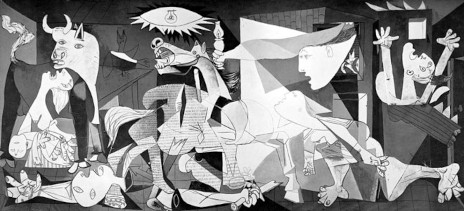
One of Picasso’s most famous works, “Guernica,” is a powerful anti-war painting that depicts the horrors of the Spanish Civil War. The monochromatic masterpiece conveys a sense of chaos and despair, with its distorted figures and symbols of suffering.
Les Demoiselles d’Avignon (1907)
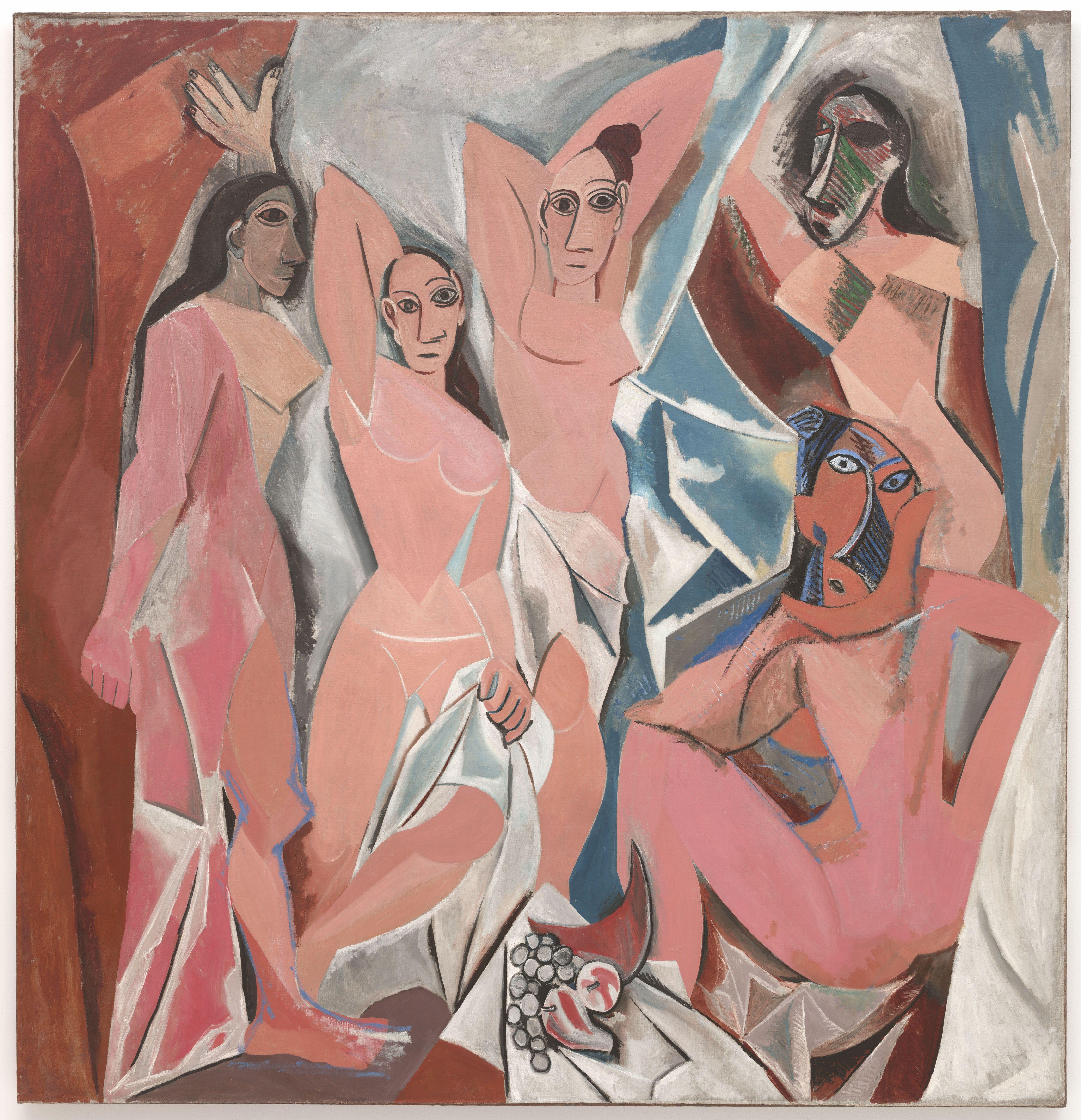
“Les Demoiselles d’Avignon” is a groundbreaking work that marked the beginning of Cubism. The painting features angular and fragmented forms, challenging traditional notions of perspective and representation.
The Weeping Woman (1937)

In “The Weeping Woman,” Picasso explores themes of grief and sorrow through a series of portraits. The painting is a poignant reflection on human suffering and emotional turmoil.
Throughout his prolific career, Pablo Picasso created a vast body of work that continues to fascinate art enthusiasts worldwide. His innovative techniques and bold experimentation have cemented his legacy as one of the greatest artists in history.
Exploring the Legacy of Pablo Picasso: Answers to 7 Frequently Asked Questions About His Famous Paintings
- What is the #1 most famous painting in the world?
- Where are Picasso’s most famous paintings?
- Why are Picasso paintings famous?
- What was Picasso’s first painting?
- Did Pablo Picasso paint the Mona Lisa?
- What is Picasso’s most popular painting?
- Why is Picasso famous for painting?
What is the #1 most famous painting in the world?
One of the most frequently asked questions in the art world is, “What is the #1 most famous painting in the world?” While opinions may vary among art enthusiasts, a strong contender for this title is Leonardo da Vinci’s masterpiece, the “Mona Lisa.” Housed in the Louvre Museum in Paris, this iconic portrait has captivated audiences for centuries with its enigmatic smile and intricate details. The “Mona Lisa” remains a symbol of artistic excellence and continues to be a must-see attraction for visitors from around the globe.
Where are Picasso’s most famous paintings?
Picasso’s most famous paintings can be found in renowned museums and art galleries around the world. Institutions such as the Museum of Modern Art (MoMA) in New York, the Musée Picasso in Paris, and the Reina Sofia Museum in Madrid house some of his iconic works. Visitors can marvel at masterpieces like “Guernica,” “Les Demoiselles d’Avignon,” and “The Weeping Woman” in these prestigious venues, where Picasso’s artistic genius is celebrated and preserved for future generations to appreciate.
Why are Picasso paintings famous?
Picasso’s paintings are famous for their revolutionary approach to art and their profound impact on the world of modern art. His innovative style, particularly his role in co-founding the Cubist movement, challenged traditional artistic conventions and paved the way for new forms of expression. Picasso’s ability to deconstruct and reimagine reality through abstract shapes, bold colours, and distorted forms captured the essence of his subjects in a unique and thought-provoking manner. His diverse body of work, ranging from Cubism to Surrealism, showcases his unparalleled creativity and mastery of various artistic techniques. Through his iconic paintings, Picasso pushed boundaries, inspired generations of artists, and left an enduring legacy that continues to resonate with audiences worldwide.
What was Picasso’s first painting?
Pablo Picasso’s first painting, titled “Le Picador,” was created when he was just nine years old. This early work showcased Picasso’s natural talent and marked the beginning of his artistic journey. While “Le Picador” may not have the same level of complexity and innovation as his later masterpieces, it provides a glimpse into the budding creativity of a young Picasso. Over the years, Picasso’s style evolved significantly, leading to groundbreaking works that would revolutionize the world of art and establish him as a visionary artist.
Did Pablo Picasso paint the Mona Lisa?
One frequently asked question about Pablo Picasso’s famous paintings is whether he painted the Mona Lisa. It is important to clarify that the Mona Lisa was actually painted by Leonardo da Vinci, not Picasso. While Picasso was a revolutionary artist known for his pioneering contributions to modern art, including the development of Cubism, he did not create the iconic Mona Lisa. Each artist has left a distinct mark on the art world with their unique styles and masterpieces, with da Vinci’s Mona Lisa remaining one of the most celebrated works in art history.
What is Picasso’s most popular painting?
One of Pablo Picasso’s most popular and iconic paintings is “Guernica,” created in 1937. This powerful anti-war masterpiece depicts the horrors of the Spanish Civil War and has become a symbol of peace and protest against violence. The monochromatic composition, filled with distorted figures and symbolic imagery, evokes a sense of chaos and despair that resonates with viewers around the world. “Guernica” stands as a testament to Picasso’s artistic genius and his ability to capture the complexities of human emotion and suffering through his work.
Why is Picasso famous for painting?
Pablo Picasso is famous for his paintings primarily due to his revolutionary approach to art. He played a crucial role in the development of modern art, particularly through the creation of Cubism, an innovative style that challenged traditional perspectives and representations. Picasso’s ability to deconstruct forms and experiment with abstraction set him apart from his contemporaries, earning him recognition as a visionary artist. His diverse body of work, ranging from the iconic “Guernica” to the groundbreaking “Les Demoiselles d’Avignon,” showcases his unparalleled creativity and artistic genius, solidifying his status as one of the most influential figures in the history of art.